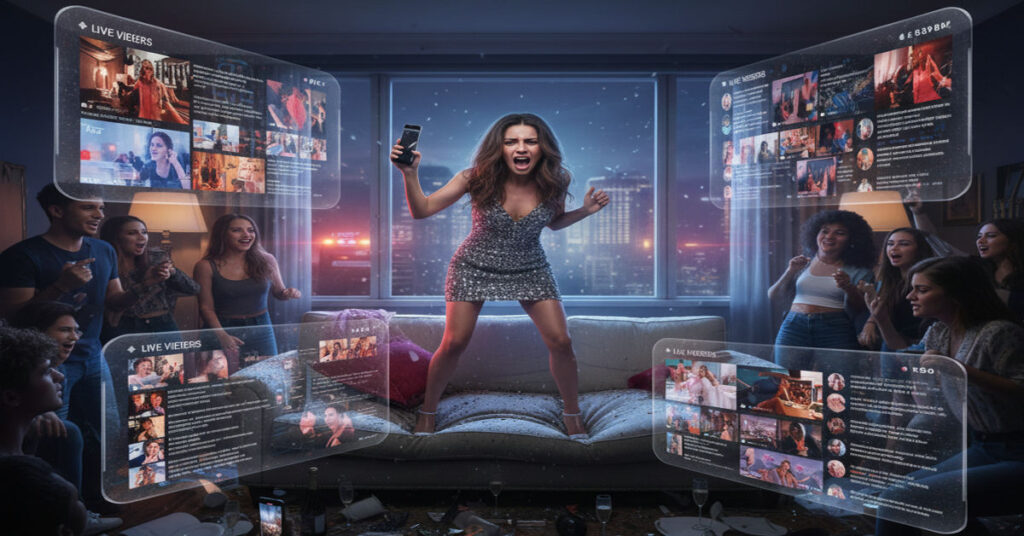
“InfluencersGoneWild” grew from a casual internet phrase into a lens through which people interpret the volatile behavior of social media creators and the controversies that follow them. It is not a single event but a tapestry of moments when curated online personas collide with the messy realities of algorithm dynamics, psychological pressure, brand expectations and public scrutiny. At its heart, this phenomenon reflects the tensions of authenticity and performance in the digital age, where fame is both a product and a pressure cooker.
Originally influenced by analog pop culture references, the phrase now describes moments when influencers’ actions stray far from their polished images. These can be public meltdowns, misleading promotions, or controversial content that goes viral not for its quality but for its shock value and emotional pull. Audience fascination with these moments reveals as much about online attention economics as it does about the creators themselves.
The Emergence of a Cultural Catchphrase
The term “InfluencersGoneWild” in internet culture borrows from earlier media like Girls Gone Wild, which showcased unscripted party footage. In the 2020s, the digital reinterpretation began to highlight when influencers behaved outside curated branding—emotionally, dramatically, or unpredictably. With the rise of platforms such as TikTok and Instagram, raw user‑generated reactions to influencers’ unfiltered moments fueled rapid spread of the term.
Algorithms that reward engagement inadvertently amplified these episodes. Viral spikes around controversial posts often pushed creators to escalate content, framing risky behavior as part of a competitive visibility game. As early as 2023, metrics showed surging search interest in terms like “influencersgonewild,” indicating heightened public fixation on such moments.
This cultural tag now encapsulates a broad set of behaviors from petty drama and faux scandals to serious missteps with real consequences. More than a meme, it has become shorthand for the unpredictability and fragmentation of online fame in a landscape dominated by short attention spans and high rewards for sensationalism.
Public Scandals That Shaped the Narrative
Real influencer scandals have fueled the “gone wild” narrative in the public eye. Some of the most widely discussed include misleading sponsored content, public feuds between high‑profile creators, and controversies that triggered broader debates about online responsibility. Below are a few notable examples that illustrate the cultural breadth of the term:
High‑Profile Cases Timeline
| Year | Incident | Impact |
| 2019 | Viral stunts challenge social norms | Sparked discussion about influencer monetization ethics |
| 2020 | COVID‑era parties ignore safety | Public blowback and media criticism |
| 2022 | Erratic social media behavior | Raised questions about mental health in creator culture |
| 2023 | Fake brand endorsements exposed | FTC scrutiny increased |
| 2025 | Leaks and reputation fallout | Broader legal and privacy concerns |
Controversies are not limited to single personalities but often reflect systemic issues, such as the pressures of branding deals, audience expectations, and the thin line between publicity and exploitation. These examples show that the phenomenon is not random but rooted in structural dynamics of social media ecosystems.
The Algorithmic Engine
Algorithms drive much of what content becomes visible or viral. Popular social platforms prioritize posts that generate high engagement, especially those that elicit emotional responses like outrage, humor, or shock. This creates a feedback loop where sensational content is rewarded with reach, views, and monetization potential.
Creators are acutely aware of these dynamics and often tailor content to capture attention, even at the expense of nuance. Influencers who deviate from scripted branding risk unpredictable reactions, but the metrics often tilt in favor of raw, reactive, or sensational output. Emotional authenticity can be a strength, but without careful framing it can spiral into what audiences label as “gone wild.”
Media theorists note that this environment cultivates “performative authenticity,” where staged or exaggerated moments masquerade as unfiltered reality. The result is a complex interplay between genuine personal expression and crafted content optimized for engagement. Critics argue this reduces human experience to data points in an attention economy.
Legal and Ethical Challenges
As controversies balloon, so do legal and ethical questions. One significant issue is the unauthorized sharing of private material from subscription platforms such as OnlyFans. Redistribution without consent raises copyright, privacy, and exploitation concerns. Many creators file DMCA takedown requests to combat these violations, yet the global nature of the internet makes enforcement challenging.
Brands have responded by tightening contracts, adding morality clauses, and conducting more robust vetting of influencer partners. The Federal Trade Commission in the United States has also increased enforcement against undisclosed sponsorships, requiring clearer disclosure of paid partnerships. Failure to comply can lead to fines or contractual penalties.
Ethical debates also swirl around public shaming and “call‑out culture.” While accountability can be constructive, online mobs sometimes cross into harassment, with real mental health implications for creators. This dichotomy reflects broader tensions in how society balances freedom of speech with respect for individual dignity and safety online.
The Economics of Outrage
Controversy can be financially lucrative. Influencers often see spikes in engagement and monetization following viral moments, even when negative. Some strategies include exclusive subscription content, sponsored apology videos, and merchandise tied to a scandalic period.
This monetization model raises questions about ethics. Critics argue that financial incentives may encourage riskier content, undermining long‑term credibility for short‑term gain. Media analysts highlight the paradox of authenticity’s market value: audiences crave genuine insight but are simultaneously repelled by harmful or exploitative behavior.
Brands now increasingly assess the risk profile of creators, pivoting toward smaller, niche influencers with perceived authenticity and reduced scandal exposure. Micro‑influencers are often considered steadier investments due to closer community ties and lower volatility.
Gazette Expert Perspectives
Digital Culture Analyst “The label ‘InfluencersGoneWild’ reveals collective unease with modern fame. It’s less about single events and more about how digital systems reward spectacle.”
Media Ethics Scholar “Platforms must evolve governance that protects creators and audiences alike, balancing transparency with dignity.”
Influencer Marketing Executive “Brands are rewriting contracts to protect both reputation and investment. The creator economy matures when ethics match profitability.”
Audience Psychology and Voyeurism
Part of the fascination with controversial influencer moments stems from what psychologists call “cultural voyeurism.” Audiences consume drama not just for entertainment but to negotiate social norms and values in a mediated environment.
This mirrors historical fascination with celebrity scandal but is amplified by instantaneous spread and participatory culture, where viewers comment, remix, and share in real time. Scholars note that this shifts power dynamics, giving audiences both a voice and a sense of ownership over public narratives about influencers.
Safety, Privacy and Digital Rights
Content creators—especially younger ones—face real risks when material is shared without permission. Beyond legal violations, the emotional and reputational damage can be profound. Protecting digital rights requires a combination of DMCA enforcement, personal safety education, and platform accountability.
Experts stress the importance of digital literacy for both creators and consumers, promoting safe practices, understanding terms of service, and advocating for stronger privacy protections online.
The Future of Online Reputation
As creator culture evolves, so do mechanisms for managing reputation and behavior. New tools for verified identity, transparent content labeling, and ethical guidelines are emerging. Platforms are experimenting with algorithmic adjustments to de‑emphasize sensationalism and promote meaningful interactions.
Creators themselves are increasingly aware of the need to balance engagement with responsibility. Those who navigate controversy thoughtfully can rebuild trust and even redefine their public image in more sustainable ways.
Key Takeaways
• “Gone wild” reflects broader internet culture shifts not individual sensationalism
• Algorithms drive reward for engagement that can encourage riskier content
• Legal frameworks are closing gaps on privacy and disclosure violations
• Brands are recalibrating influencer partnerships for long‑term stability
• Audience psychology shapes how controversies are consumed and interpreted
• Ethical digital practices benefit creators and communities alike
• Future norms may elevate authenticity over spectacle
Conclusion
The story of InfluencersGoneWild and controversy is more than a series of viral headlines. It is a reflection of the evolving dynamics of digital fame, where personal expression, economic pressures, and audience expectations intersect. Social media platforms continue to grapple with the balance between engagement and ethical responsibility, while creators navigate complex choices about how to present themselves online. The conversation about “gone wild” moments ultimately highlights broader questions about authenticity, privacy, and what it means to be part of a shared cultural space. InfluencersGoneWild digital ecosystems mature, there is opportunity for more responsible engagement that honors both creator rights and public discourse.
FAQs
What does the term “InfluencersGoneWild” actually mean?
It describes moments when influencers deviate from curated images into unfiltered, controversial, or sensational behavior that goes viral.
Is there a legal issue with leaked private content online on InfluencersGoneWild?
Yes. Sharing private content without permission can result in copyright infringement and privacy violations under laws like DMCA.
Why do audiences care about controversies?
Psychologically, people are drawn to emotional, dramatic, or unexpected stories that create discussion and shared cultural meaning.
How are brands responding to scandals?
Brands increasingly include morality clauses and vet influencers more carefully to protect reputation and investment.
Can influencers recover from “gone wild” moments?
Yes. Thoughtful apologies, transparency and consistent behavior can rebuild trust over time.
References
AllInfluencersGoneWild.com. (2025). Influencers Gone Wild safety review. Retrieved from https://allinfluencersgonewild.com/influencers-gone-wild-com/
TalkFlicker.com. (2025). Influencers GoneWild 2025 biggest web scandals. Retrieved from https://talkflicker.com/influencers-gonewild/
InfluencersGonesWild.com. (2025). Influencers gone wild phenomenon overview. Retrieved from https://influencersgoneswild.com/
InfluencersGonesWild.com. (2025). Influencers gone wild culture and outrage economics. Retrieved from https://influencersgoneswild.com/influencers-gone-wild/
Wikipedia contributors. (2025). OnlyFans. In Wikipedia, The Free Encyclopedia. Retrieved from https://en.wikipedia.org/wiki/OnlyFans